Black Friday Scams: How Cybercriminals Target Online Shoppers
Black Friday falls on 27 November 2026, and fraudsters have been building fake shops, lookalike domains and AI-written phishing for weeks. This post explains the scams UK shoppers are most likely to encounter, why AI is making them harder to spot, and what retailers and security teams can do before the sales peak.

Key takeaways
- Purchase scams made up 71% of Barclays scam claims by volume in 2025, making them the most common scam type the bank sees.
- 76% of UK adults say AI has made scams more convincing, yet only 36% check a website is genuine before paying.
- Black Friday is no longer one day. Deals, and the scams that copy them, run for most of November.
- Gen Z is being hit hardest, with the value of their purchase scam claims up 56.3% in the first half of 2026.
- Fake shops and lookalike domains are often set up weeks in advance, which gives brands a window to find and take them down early.
Why is Black Friday a prime target for cybercriminals?
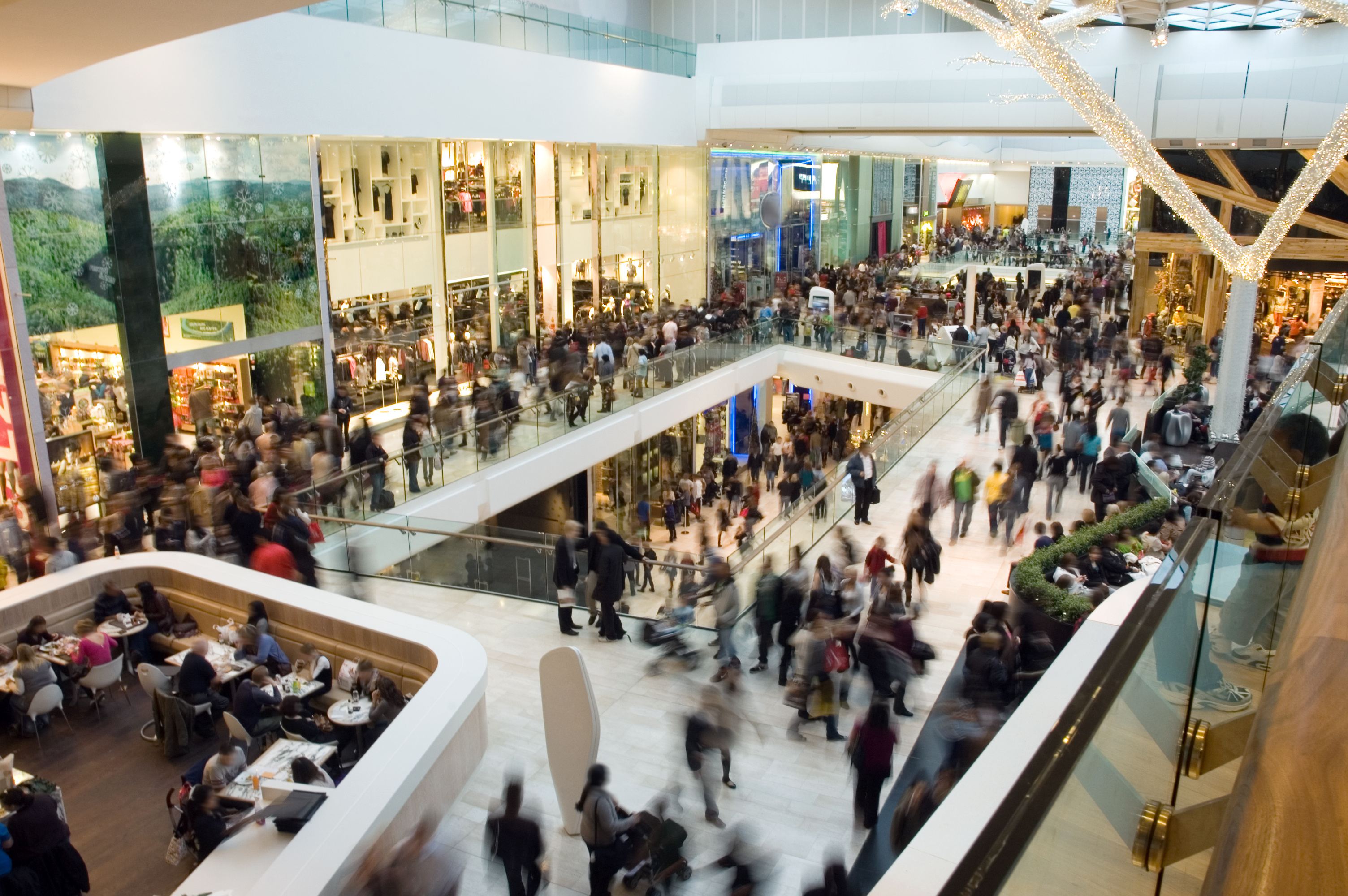
Black Friday lands on 27 November this year, but most retailers start their discounts weeks earlier. Scammers follow the same calendar. As we covered in our Bonfire Night scams blog, the UK's season of scams starts on 1 November and runs through Diwali, Black Friday, Christmas deliveries and New Year's Eve. Each event brings a new lure, and Black Friday is the biggest of them.
The reason is simple: urgency. Barclays research found 41% of shoppers feel pressure to buy quickly so they don't miss the best deals. That pressure is exactly what a scam needs. As Barclays fraud expert Kirsty Adams put it, "Scammers use countdown timers and 'last chance' offers to rush you."
The losses are real. UK shoppers lost £11.8 million to online shopping fraud between November 2024 and January 2025, according to Action Fraud data.
What are the most common Black Friday scams in 2026?
Most Black Friday fraud is some version of the same trick: you pay for something that never arrives, or you hand over details that get used later. The most common Black Friday scams include:
- Fake online shops. Cloned brand stores with real-looking logos, product photos and reviews. Recorded Future tracked 2,500 purchase scam websites using 1,800 merchant accounts in the first half of 2026 alone, and scam-checking tool Scamwise says its users are reporting a new fake store roughly every three minutes this season.
- Retailer impersonation emails. "Exclusive" early-access deals or mystery boxes that link to a phishing page built to steal card details and logins.
- Social media ads and marketplace listings. Too-good-to-be-true deals on big-ticket items like phones, trainers and gaming consoles, often asking for bank transfer.
- Fake delivery texts. Messages about a missed parcel or unpaid customs fee, timed for when people are expecting several orders at once.
- Fake refund and "order problem" messages. Follow-up scams that target people who have genuinely just bought something.
- Counterfeit goods sold as the real thing. Black Friday sales give fakes the perfect cover. Small sites sell fake football shirts as legitimate, hiding behind the word "replica" in the listing. The same goes for designer gear, where sellers buy cheap items from wholesale sites like DHgate and resell them on Facebook as genuine, claiming the low price is a big discount.
The common thread is that criminals aren't only after the price of the item. Card details and account credentials are worth far more once they're resold or reused.
How is AI making Black Friday scams harder to spot?
The old advice was to look for spelling mistakes and clunky design. That no longer works. Generative AI lets criminals write fluent, on-brand emails at scale, clone a retailer's website in minutes and produce product images and reviews that look real. Experts told Forbes that scams can now look almost identical to the genuine thing.
The UK's National Cyber Security Centre has warned that criminals are likely to use large language models to produce more convincing scam emails and fake websites. Shoppers have noticed too. Barclays found 76% of UK adults believe AI has made scams more convincing, but only 36% actually check a site is genuine before they buy.
This is the same pattern we see across the threat landscape. AI doesn't invent brand new attacks so much as make old ones faster, cheaper and more believable. We break this down further in AI in cybersecurity: how attackers and defenders are using the same technology.
Why do shoppers still fall for Black Friday scams?
Most people know scams exist. The problem is attention. A fifth of UK adults (21%) admit to shopping online while multitasking, such as watching TV, which makes it easy to miss a misspelt web address or a deal that is clearly too good to be true. Only one in ten feel confident they won't be caught out over Black Friday and Cyber Monday.
Younger shoppers are feeling it most. Barclays data shows Gen Z purchase scam claims rose 16.8% in the first half of 2026, more than twice the rise across all customers, while the value of those claims jumped 56.3%. Gen Z does a lot of its shopping through social media, which is where many of these scams start.
Money pressure plays a big part too. With inflation and the cost of living still squeezing household budgets, a deep discount can feel like the only way to afford the gifts people want to give. Nobody wants to be the one turning up to the family meal with less than everyone else, and that pressure pushes people towards unknown sellers and deals they would normally question.
How can retailers and brands protect their customers?
When a scammer clones your brand, your customers lose money and you lose trust, even though you did nothing wrong. The good news is that these campaigns leave traces well before the sales peak. Retailers and security teams can:
- Monitor for lookalike domains that use your brand name, typos of it or seasonal words like "blackfriday" or "deals".
- Watch for fake social accounts and ads using your logo, product images or executives' names.
- Track phishing kits built to mimic your login and checkout pages.
- Publish your official sales channels so customers know where genuine offers come from.
- Brief customer service teams on current scam lures so they can spot and escalate reports quickly.
- Act fast on takedowns. A fake shop that is removed in November can't take orders on Black Friday.
How can shoppers spot a Black Friday scam?
A few checks go a long way:
- Type the retailer's web address yourself rather than clicking a link in an email, text or ad.
- Be wary of steep discounts on high-demand items, especially from shops you've never heard of.
- Pay by credit card where possible, and never by bank transfer to a seller you don't know.
- Turn on 2-step verification for email, shopping and payment accounts, as the NCSC recommends.
- Forward scam texts to 7726 and report fraud to Action Fraud. If you've paid, contact your bank straight away.
How does CYJAX help protect brands during the season of scams?
Scammers work to a calendar, and so do we. CYJAX tracks how threat actors adapt their campaigns to seasonal events like Black Friday, monitoring lookalike domains, fake social media accounts, phishing kits and dark web chatter that target your brand and your customers.
The CYJAX platform brings this together in one place, and our analysts add the context automated tools miss: who is behind a campaign, which event or brand it targets, and how urgently you need to act. That means you can find and take down fake shops and phishing pages before they reach your customers, not after the complaints start coming in.
Want to see what's targeting your brand this festive season? Book a demo or ask an analyst.
Recommended for you



Get Started with CYJAX CTI
Empower Your Team. Strengthen Your Defences.CYJAX gives you the intelligence advantage: clear, validated insights that let your team act fast without being buried in noise.